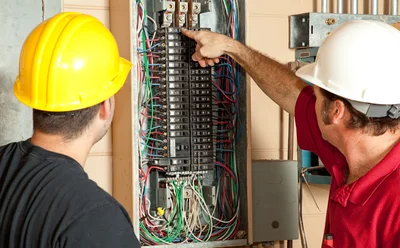
Asbestos-Containing Electrical Products
Common electrical products such as tapes, cables, wiring, and insulation materials were once manufactured using asbestos. Whether in residential or commercial buildings, these worksites posed a significant risk of exposure.
Other products frequently used by electricians, including glues, sealants, and paints, also contained asbestos. When these materials were cut, shaped, or installed, asbestos dust was released into the air, increasing the likelihood of inhalation.
Electricians regularly worked at construction sites where many building materials contained asbestos. These included tiles, roofing and flooring materials, siding, wallboard, millboard, and insulation. Contact terminals, asbestos washers, and linings in insulated breaker boxes also contained asbestos.
To prevent fires from electrical short circuits, raceways and electric ducts were manufactured with asbestos. In addition, electricians wore protective clothing and used insulated tools, many of which also contained asbestos fibers.
Electrical Equipment That Posed Ongoing Risks
Certain electrical machinery and equipment continued to expose electricians and electrical engineers to asbestos, including cable wraps made from asbestos paper or molded asbestos plastic.
Power plant equipment such as turbines, pipes, boilers, and generators contained asbestos to prevent overheating. Arc chutes were also designed with asbestos to reduce fire hazards.
Other hazardous materials included asbestos cement sheets used as electrical shields, asbestos insulation paper found in electrical boxes manufactured between the 1920s and 1980s, and heating units where asbestos-containing wiring degraded under high temperatures.
Older hot water tanks contained insulating asbestos blankets beneath metal covers, and molded plastic panels used in electrical panels were also produced with asbestos.
How Are Electricians Exposed to Asbestos?
Electricians were frequently exposed to airborne asbestos fibers while working on job sites. Exposure occurred when cutting or installing wires insulated with asbestos and when cutting through walls that contained asbestos during construction or renovation.
The greatest risk came from cutting, drilling, shaping, or installing asbestos-containing materials. These actions released microscopic fibers into the air, where they remained suspended and easily inhaled.
Electricians working in older buildings were particularly vulnerable. Those repairing electrical connections, wiring HVAC power systems, or installing elevators in aging structures faced repeated exposure.
Navy veterans who served as electricians were also at risk, as older naval vessels used wire insulation made with chrysotile asbestos.