Asbestos Exposure and Industrial Workers
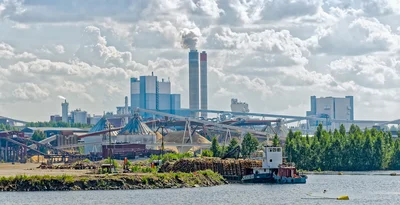
Industrial workers face the risk of asbestos exposure during the manufacturing of asbestos products and through asbestos-containing protective clothing. While workers employed between the 1920s and 1980s experienced the highest occupational risks, modern industrial workers are not completely free from danger.
Asbestos remains present in older buildings, machinery, and construction materials. As a result, industrial workers in the United States continue to experience elevated risks of asbestos-related diseases, particularly in highly industrialized states such as Texas, California, Michigan, Ohio, and Illinois.
Even though asbestos use has declined, its legacy in aging infrastructure continues to threaten worker health across multiple industries.
Industrial Workers and Exposure to Asbestos
Industrial workers are frequently exposed to asbestos while operating, repairing, or maintaining machinery insulated with asbestos. Equipment used in heat and power systems was commonly lined with asbestos to prevent overheating.
When this machinery is disturbed during maintenance or daily operation, asbestos fibers can become airborne and remain suspended for long periods. Continuous inhalation of these fibers significantly increases the risk of developing fatal asbestos-related diseases.
The use of power tools such as grinders, drills, cutters, and scoring machines further worsens exposure by releasing additional asbestos dust into the air. Poor ventilation in many industrial facilities allowed these fibers to linger indoors, increasing long-term exposure.
Health Studies and Occupational Findings
A 2015 study published in the Occupational Environmental Medicine journal found that industrial workers had more than four times the risk of developing pleural mesothelioma compared to non-industrial workers.
Exposure was not limited to machinery alone. Protective equipment such as gloves, aprons, and clothing often contained asbestos-treated cotton used as a flame retardant, further increasing daily exposure risks.
In many factories, workers mixed raw asbestos with gypsum slurry to form molds. This practice, combined with inadequate ventilation, allowed asbestos particles to accumulate in enclosed workspaces.