Asbestos Exposure Among U.S. Navy Veterans
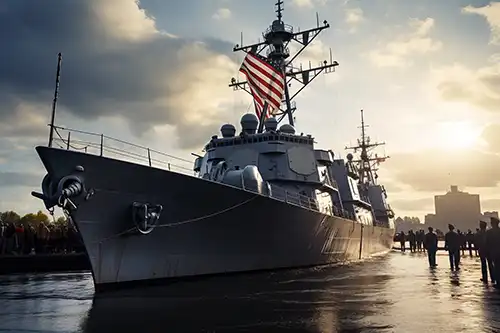
The US Navy heavily relied on asbestos for shipbuilding and maintenance, exposing thousands of service members to this hazardous material. Between the 1930s and 1980s, an estimated 300 asbestos-containing products were used on Navy ships and shipyards. This widespread use resulted in many veterans developing mesothelioma and other asbestos-related diseases years later.
Asbestos exposure was deeply embedded in daily naval operations, affecting generations of sailors long after their service ended.
How Navy Veterans Were Exposed to Asbestos
The use of asbestos in the US Navy dates back to the 1880s. Chosen for its heat resistance, chemical durability, and tensile strength, asbestos was extensively used in fireproofing ships and submarines. However, its benefits came at a high cost to the health of Navy personnel.
Occupational Exposure
Occupational exposure was the most significant source of asbestos exposure. From the 1930s to the 1970s, Navy personnel were surrounded by asbestos daily, as it was present in nearly every part of a ship. Many sailors handled raw asbestos materials directly, increasing their risk.
Secondary Exposure
Secondary exposure put family members of Navy personnel at risk. Asbestos fibers clung to uniforms, shoes, and tools, leading to indirect exposure at home.
Legacy Exposure
Legacy exposure remains a concern for Navy veterans in the US. Older Navy ships, equipment, barracks, and base housing still contain asbestos, putting current and younger service members at risk. Although the Navy has taken steps to remove asbestos, improper handling can release harmful fibers into the air.