Asbestos Exposure in U.S. Refinery Workers
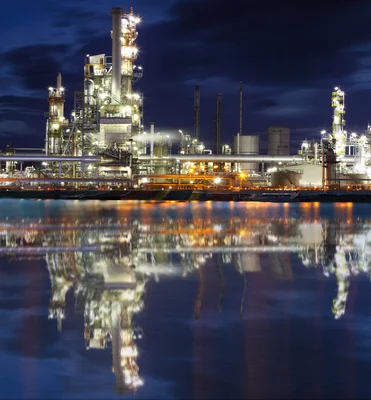
For decades, oil refinery workers in the United States faced serious occupational hazards due to widespread asbestos use. Refineries process crude oil at extremely high temperatures, leading operators to rely heavily on asbestos for insulation. The material was used in equipment handling boiling petroleum, protective clothing, gaskets, and sealants. As a result, workers were frequently exposed to airborne asbestos fibers and dust, especially during installation, repair, and maintenance activities.
Oil refinery environments combined extreme heat, flammable materials, and asbestos-based insulation, creating long-term health risks for thousands of workers.
Oil Refinery Workers and Asbestos Exposure
The U.S. Environmental Protection Agency identified oil refinery workers as a group at high risk for asbestos exposure. Until the early 1980s, asbestos was extensively used in refineries nationwide. Research published in Toxicology and Industrial Health found that nearly 90 percent of refinery workers experienced asbestos exposure, with approximately half lacking adequate protective measures.
Why Asbestos Was Used in Oil Refineries
Asbestos was favored for its exceptional resistance to heat, making it an effective insulating material for refinery equipment operating under extreme temperatures. It was incorporated into refinery buildings, machinery, and worker protective gear.
Because petroleum is highly flammable, refineries faced constant risks of fires and explosions. Asbestos insulation helped shield machinery, infrastructure, and facilities from heat damage and fire-related hazards.