ASBESTOS.CASE

Call us today 1.888.740.0220
Free Case Review

U.S. Pipefitters and Plumbers: Asbestos Exposure and Health Risks
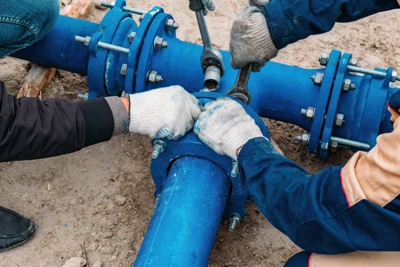
U.S. Pipefitters and Plumbers: Asbestos Exposure and Health Risks

According to the International Journal of Epidemiology, plumbers face some of the highest risks of asbestos-related illnesses. Throughout the 20th century, pipefitters and plumbers in the United States routinely worked with asbestos-laden materials during the installation, repair, maintenance, and replacement of plumbing systems.

In addition to direct contact with asbestos-containing materials, many of the buildings where these tradespeople worked were constructed with asbestos, significantly increasing the risk of diseases such as mesothelioma, asbestosis, lung cancer, and other cancers, including abdominal cancers.

Asbestos exposure among pipefitters and plumbers was not a single event, but a repeated occupational hazard that accumulated over decades of daily work.

Although asbestos use has been heavily regulated, exposure risks persist today. Older pipes, valves, adhesives, and insulation materials still contain asbestos, and disturbing these materials can release dangerous fibers into the air.

What Do Pipefitters and Plumbers Do?

Pipefitters and plumbers are skilled tradespeople responsible for installing, repairing, and maintaining piping systems in residential, commercial, and industrial settings. Their work ensures the safe transport of water, gas, and other substances, and they regularly test systems for leaks and overall efficiency.

Find Asbestos Exposure Sites

Select your state, then choose a city and jobsite to view known asbestos exposure locations.

How Were Pipefitters and Plumbers Exposed to Asbestos?

Asbestos was widely used in gaskets, caulk, flanges, fittings, and insulation products for chemical and steel pipes. Pipefitters and plumbers were often required to cut, drill, or remove these asbestos-containing materials, which released toxic fibers into the air.

Exposure commonly occurred at hazardous job sites such as factories, construction sites, shipyards, power plants, and even residential homes and schools. Repeated inhalation of airborne asbestos fibers over time led to serious and often fatal health conditions.

The danger extended beyond the job site. Asbestos dust frequently clung to workers' clothing, hair, and skin, leading to secondary exposure among family members and increasing their risk of mesothelioma and other asbestos-related illnesses.

Risky Activities That Led to Asbestos Exposure

Many routine tasks performed by pipefitters and plumbers involved disturbing asbestos materials. Cutting and sawing asbestos-insulated pipes released fibers into the air, while installing or replacing gaskets and block insulation further increased exposure.

Drilling into pipes wrapped in asbestos insulation posed a significant hazard, as did scraping and removing worn-out gaskets and packing from pipe flanges. These activities generated airborne dust that was easily inhaled.

Workers who handled industrial equipment such as boilers, HVAC systems, ducts, and furnaces were also exposed to asbestos used in insulation and sealing components. The most dangerous task was removing old asbestos insulation from plumbing fixtures, as deteriorated materials released high concentrations of toxic fibers.

Asbestos Cancer Lawyers
Over $30 Billion is Available for Asbestos Settlements

We Only Get Paid if We Collect for You

Why Choose Us for Your Asbestos Exposure Claim?

  • Free asbestos case review
    Free No-Obligation Review

    We provide free no-obligation asbestos exposure case review

  • We only get paid if we collect for you
    Contingency Representation

    We work on a contingency basis, meaning there are no fees unless we collect for you

  • Asbetsos Legal Help
    Expertise In Asbestos & Mesothelioma Lawsuits

    We have experience winning claims against huge multi-national corporations

Why Choose OnderLaw for Asbestos Legal Help
Asbestos Cancer Lawyers
No-Cost, No-Obligation Cancer Case Review

Case Review is Just a Click Away

High-Risk Regions in the United States for Plumbers and Pipefitters

The Rust Belt

The Rust Belt, including states such as Pennsylvania, Ohio, Michigan, and Indiana, was once the center of American manufacturing. Steel mills, automotive plants, and refineries relied heavily on asbestos insulation in pipes, boilers, and machinery, placing pipefitters and plumbers at high risk.

Cancer Alley

Cancer Alley stretches along the Mississippi River from Baton Rouge to New Orleans and contains more than 150 petrochemical plants and refineries. Asbestos was commonly used in pipes, insulation, and gaskets, leading to frequent exposure during repairs and replacements.

The Gulf Coast

The Gulf Coast region of Texas and Louisiana is home to major oil refineries, chemical plants, and shipyards. Cities such as Houston, Beaumont, and Port Arthur have long histories of asbestos use, particularly in pipelines, boilers, and HVAC systems.

West Coast Shipyards

Shipyards in California, Oregon, and Washington exposed thousands of workers to asbestos, especially in cities like San Diego, Long Beach, and Bremerton. Pipefitters and plumbers working on ships frequently disturbed asbestos insulation in engine rooms and piping systems.

New York and New Jersey Industrial Corridors

New York and New Jersey were home to numerous manufacturing plants, power stations, and chemical facilities. Aging infrastructure in cities such as New York City meant plumbers regularly encountered asbestos while working on older buildings and piping systems.

Are Pipefitters and Plumbers Still at Risk?

Although asbestos use has declined significantly, pipefitters and plumbers remain at risk, particularly when working in buildings constructed before the 1980s. Renovation, repair, and demolition activities can disturb asbestos-containing materials, endangering workers and their families.

Recognition Received

Privacy Notice: This site uses cookies for advertising, analytics and to improve our site services. By continuing to use our site, you agree to our use of cookies. For more information, see our cookie and privacy policy.