Asbestos Exposure in U.S. Power Plant Workers
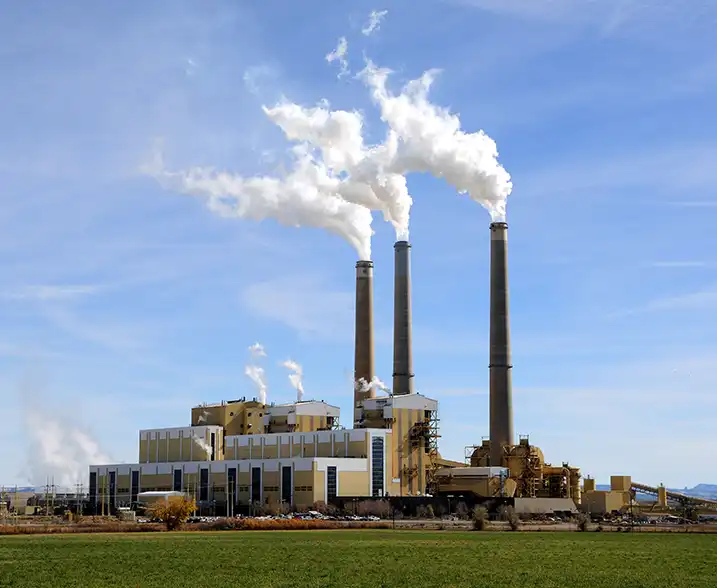
Power plants in the United States have historically relied on asbestos-laden insulation and building materials, exposing hundreds of thousands of workers to this dangerous carcinogen. Many of these workers were later diagnosed with mesothelioma, asbestosis, lung cancer, and other fatal diseases. While past workers faced the greatest risk, present-day employees may still encounter asbestos during maintenance, renovation, or demolition work.
Asbestos was commonly found in flooring, ceilings, insulation, boilers, tiles, gaskets, adhesives, and other components. Activities such as cutting, sawing, or sanding asbestos-containing materials released microscopic fibers into the air. Once inhaled or ingested, these fibers can lodge in organ linings and cause severe internal damage over time.
Asbestos exposure in power plants often occurred silently, with airborne fibers spreading far beyond the workers who directly handled the materials.
What Happens in Power Plants?
Power plants generate electricity by using natural energy sources and fossil fuels such as oil, coal, and natural gas. Fuel is burned to heat water and produce steam, which turns turbines to generate electricity. Some facilities use alternative energy sources, including solar and wind, while nuclear power plants rely on nuclear reactions to create heat and steam.
Because many power plants operate continuously, they employ large workforces that include scientists, pipefitters, electricians, engineers, and maintenance personnel, all of whom may work in close proximity to asbestos-containing materials.