U.S. Railroad Workers and Asbestos Exposure
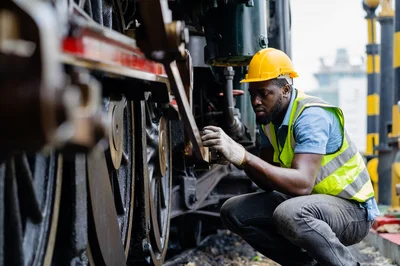
Between 1870 and 1900, the U.S. railroad network expanded from 45,000 to 200,000 miles of track, fueling major economic growth. During this period and for decades afterward, asbestos was widely used throughout the railroad industry because of its fire resistance, durability, and low cost. Unfortunately, this widespread use placed railroad workers at significant risk of asbestos exposure, leading to severe and often fatal health conditions.
For generations of railroad workers, asbestos was an invisible hazard embedded in the very equipment and environments they worked in every day.
Asbestos Exposure and Railroad Workers
Asbestos was one of the most commonly used materials in railroad construction and maintenance prior to the 1980s. Its resistance to heat, chemicals, and wear made it an attractive option for use in cement, wallboards, boilers, pumps, pipe insulation, railroad ties, sealing cement, firebricks, and engine gaskets.
The material was also heavily used as insulation for both diesel and steam locomotives to help retain boiler heat. Asbestos could be found in electrical panels, passenger car ceilings, locomotive exteriors, brake linings, floor tiles, clutches, seals, and brake pads. Even protective equipment such as gloves, ropes, and welding materials often contained asbestos.
When asbestos-containing materials were cut, repaired, or disturbed, microscopic fibers became airborne. Railroad workers frequently inhaled or ingested these fibers, significantly increasing their risk of long-term health complications.