Asbestos Exposure in U.S. Steelworkers
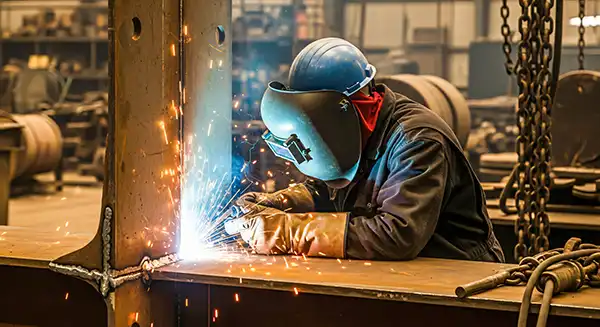
From the 1930s through the 1970s, asbestos was extensively used across the U.S. steel industry. Its resistance to heat, fire, corrosion, and electricity made it a preferred material for insulating equipment and protecting workers in extreme industrial environments.
Steel mills integrated asbestos into machinery, piping systems, and even protective clothing. At the time, many employers and workers were unaware of the severe health dangers associated with prolonged asbestos exposure.
Exposure typically occurred when asbestos-containing materials were repaired, disturbed, or deteriorated. Tiny fibers became airborne and were unknowingly inhaled or swallowed by workers during routine operations.
For decades, steelworkers performed their jobs surrounded by asbestos, unaware that microscopic fibers released into the air could remain in their bodies for a lifetime.
Health Risks of Asbestos Exposure for Steelworkers
Once asbestos fibers enter the body, they can lodge in the lining of the lungs and other internal organs. These fibers are difficult to expel and may remain embedded for many years.
Diseases linked to asbestos exposure often take between 20 and 50 years to develop. Serious and frequently fatal conditions include mesothelioma, asbestosis, lung cancer, and cancers affecting other organs.